المساهمون

يتم التشغيل بواسطة Blogger.
RSS
‏إظهار الرسائل ذات التسميات Lifestyle. إظهار كافة الرسائل

'Paralyzed Bride's' Racy Photos Inspire #WhatMakesYouSexy


"This is for that 22-year-old single girl in a wheelchair at the bar."
The social media campaign #whatmakesmesexy was started with that girl in mind by Rachelle Chapman, a young woman who, in 2010, was injured at her bachelorette party and paralyzed.
Then Rachelle Friedman, Chapman married the man she was engaged to at the time of the accident and they now have a three-month-old baby girl names Kaylee. She also wrote a book called The Promise: A Tragic Accident, a Paralyzed Bride, and the Power of Love, Loyalty, and Friendship.
She started posting her #whatmakesmesexy photos to Instagram in July and she said the response so far has been "overwhelmingly positive." She said the opinions of those who don't like the photos or who don't think they're appropriate don't really matter.
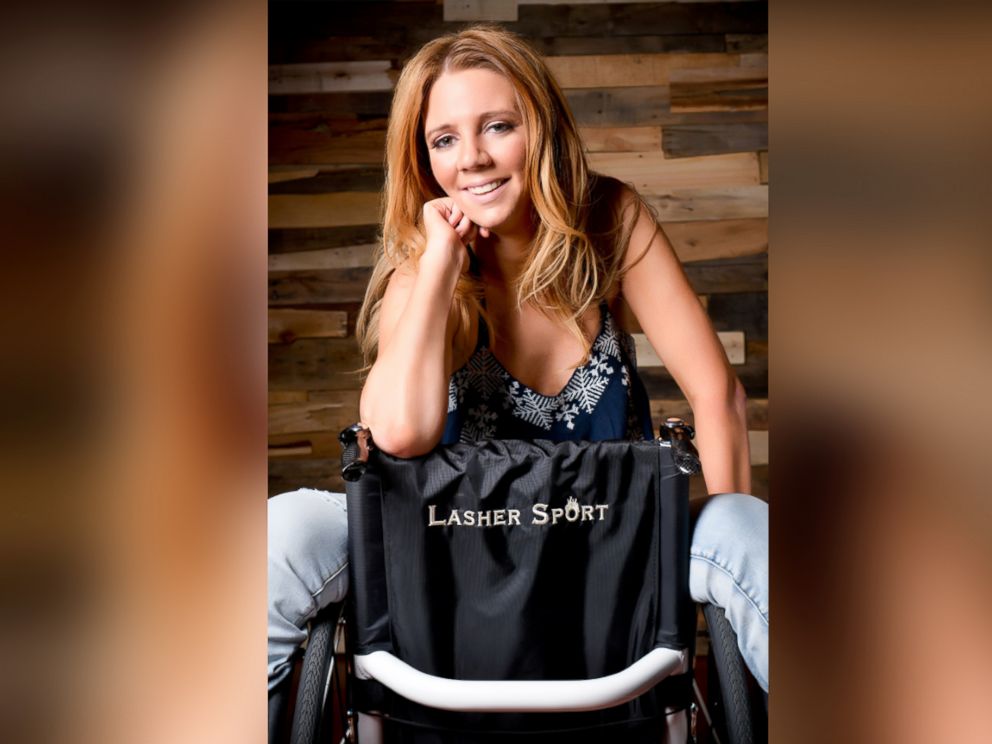
PHOTO: A woman who was paralyzed at her bachelorette party and then married has stared a social media campaign to show that she -- and others -- can be sexy despite their disability.
Revolution Studios
PHOTO: A woman who was paralyzed at her bachelorette party and then married has stared a social media campaign to show that she -- and others -- can be sexy despite their disability.
"I've received a lot of messages from people who specifically tells me this [the photos] helps them."
After her injury, "my body changed a lot." Chapman said she struggled with self confidence and sexuality.
"Sexuality is not all of who were are, but it is part of who we are," she said. The same goes for a relationship, she said. It's not all of it, but it is a part of it.
"I want to open up a conversation about disability and sexuality," she said. "Fewer than 10 percent of people have sated someone with a disability." Chapman said she thinks that's partially because of a general misconception that people with disabilities cannot have sex. "I have a healthy and intimate sex life," she said.
The hashtag #Whatmakesmesexy, Chapman said, is about finding the thing about yourself you love and posting it for the world to see. it's ok if that's not your body," she said. "It could be your confidence or your sense of humor, whatever you love about yourself."
Chapman insists she's "not trying to glamorize disability. I am fighting for a cure, I don't want to have a spinal cord injury," she said. "Some people see the wheelchair and they can't see past it. I'm exactly the same person when I get out of the wheelchair."

  • Digg
  • Del.icio.us
  • StumbleUpon
  • Reddit
  • RSS

Multimasking Beauty Trend Takes Over Social Media


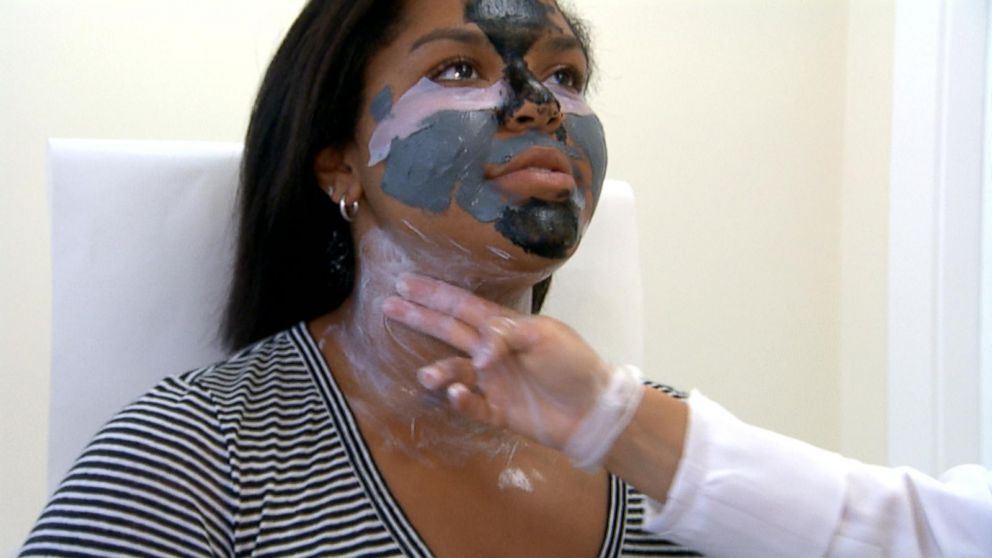
The latest trend to take the beauty world by storm is called multimasking -- and it has women from coast to coast mugging on social media to show the secret to a flawless face.
So what exactly is multimasking? It’s the practice of using different types of masks on different areas of the face, all at the same time.
The resulting patchwork effect may look strange, but experts including Dr. Julie Russak say multimasking makes sense.
“The skin on the T-zone where you have the highest concentration of oil glands is very different than the sensitive skin around the eyes. You cannot use the same product on different areas if you want to address those issues,” Russak, a dermatologist, said. “It's applying the right product to the right area on your face so it’s appropriate to all the patients. We all have different skins on different parts of our face. Multimasking is really for everybody."
Yahoo beauty editor-in-chief and celebrity makeup artist Bobbi Brown visited “Good Morning America” to give viewers useful tips about how they can make multi-masking part of their routine.
“It’s good to be able to do it yourself at home, and everyone has different skin,” Brown explained. “Some people have combination skin; sometimes we’re dry, sometimes we’re oily. So it’s good to be able to know what different things do.”
The benefit of multimasking is to target specific areas on the face that have different needs. Here is a breakdown of the masks and how they are most beneficial to your skin type:
For Oil: Green Tea Oil Mask (Light green, apply thick)
This mask keeps skin clear, eliminates shine and reduces acne.
Unclog Pores: Mud Mask (Gray)
This mask removes impurities and reduces blemishes.
For Brightening Skintone/Hyperpigmentation: Bright White Mask (White, apply thick)
This mask reduces dark spots, brightens complexion and is good for sun damage, acne, etc.
For Blackheads/Acne: Charcoal Mask (Gray)
This mask draws out impurities like a magnet.
For Detoxifying: Luminizing Black Mask (Black, apply thick)
This mask draws out dirt, is made with clay and is a great way to reboot the skin.
For Anti-Inflammatory/Hydrating: Blue Calming Mask (Blue, apply thick)
This mask calms skin, adds moisture and is good for sensitive skin or post-sun.
Beauty bloggers have jumped on board to camouflage their complexions.

  • Digg
  • Del.icio.us
  • StumbleUpon
  • Reddit
  • RSS

Lost Wedding Ring Returned 25 Years After Being Found in Minnesota Hospital's Sewer


It took more than 25 years, but a missing wedding ring has finally been found.
Linda Matti said the ring slipped off her husband's finger while he was a patient at Mayo ClinicMethodist Hospital in Rochester, Minnesota, according to ABC affiliate KAAL-TV. Though she looked everywhere for it, they never found it.
Not long after the ring disappeared, plumber Dale Grobe found it when he unplugged the hospital's sewer main. It sat in the lost and found for six months but was never claimed, said Grobe.
Grobe took the ring home and his wife Kathie wore it for the next 25 years. About two weeks ago at a friend's party, Grobe's wife met a man whose parents had the same names as those inscribed on the gold band she wore.
They quickly realized he was the Matti's son and she returned the ring to him.
"I've thought about them and prayed for them, so it's great to know the ring is home again," Kathie Grobe told KAAL-TV.

  • Digg
  • Del.icio.us
  • StumbleUpon
  • Reddit
  • RSS

Teens Text While Driving Because of Their Parents, Survey Says


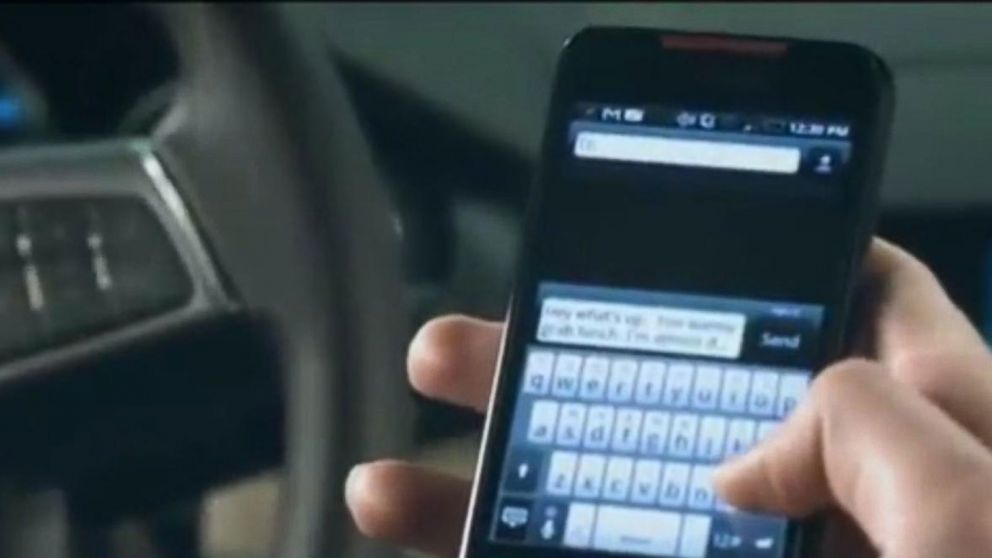
Parents espouse the dangers of texting while driving to their kids, but a new survey has found that teens who text behind the wheel are doing so most often to update their parents.
“It’s incredibly dangerous,” said Stephen Wallace, senior advisor for policy, research and education at Students Against Destructive Decisions (SADD), the organization that, along with Liberty Mutual Insurance, released the new survey Tuesday.
The survey found that 55 percent of teens report texting while driving in order to update their parents, and nearly one in five believe that their parents expect a text response within one minute.
The survey, conducted through focus groups in Chicago and Washington, D.C. last year followed by a national survey of 1,622 high school juniors and seniors, found that 25 percent of the teens believe their parents expect a response within five minutes, even while they are driving.
“They expected their parents to want a message back from them almost immediately,” Bryan Delaney, SADD’s National Student of the Year, told ABC News of his peers.
When it comes to parents, however, the survey’s authors reported that 58 percent of parents say they, “do not have set expectations on teens’ response time.”
A parenting expert told ABC News that parents need to send a message to their kids, both literally and figuratively.
“Tell your kids to put their phones away while they’re driving and, most importantly, parents, lead by example,” said Ericka Souter, editor of Mom.me.
In addition to perceived parental pressure, the Liberty Mutual Insurance/SADD survey also reports that teens are texting for another reason, FOMO, or the “fear of missing out.”
Among the teens surveyed, 37 percent reported texting to confirm or coordinate event details, while 88 percent reported using phone apps while on the road and 34 percent admitted to taking their eyes off the road when an app notification popped up on their phone.
“It’s critical that parents focus on pinpointing these dangerous driving habits early on – from drowsy driving to technology use behind the wheel – and have frequent conversations with their children about what safe driving really means,” Wallace said in a statement announcing the survey’s release.

  • Digg
  • Del.icio.us
  • StumbleUpon
  • Reddit
  • RSS